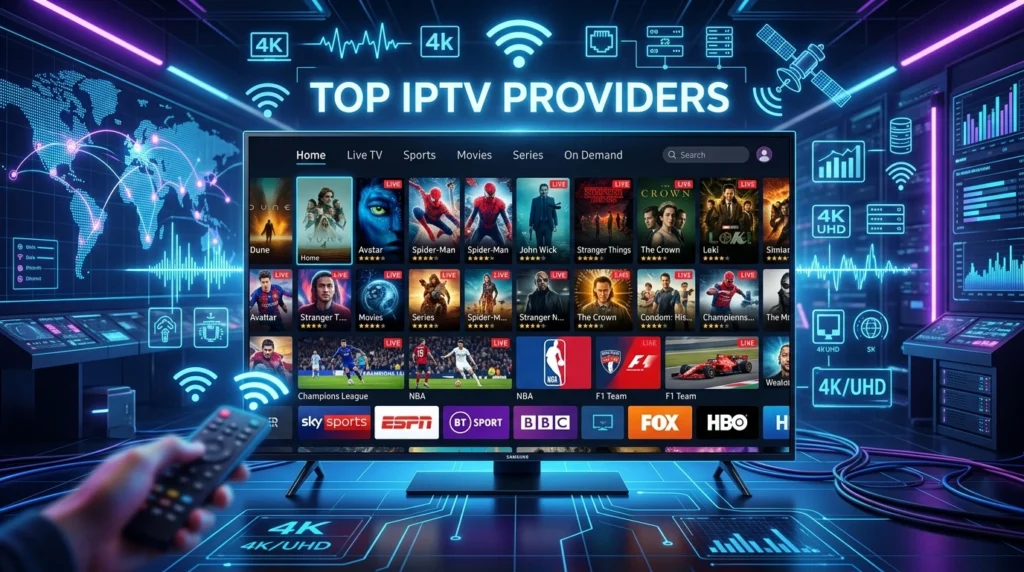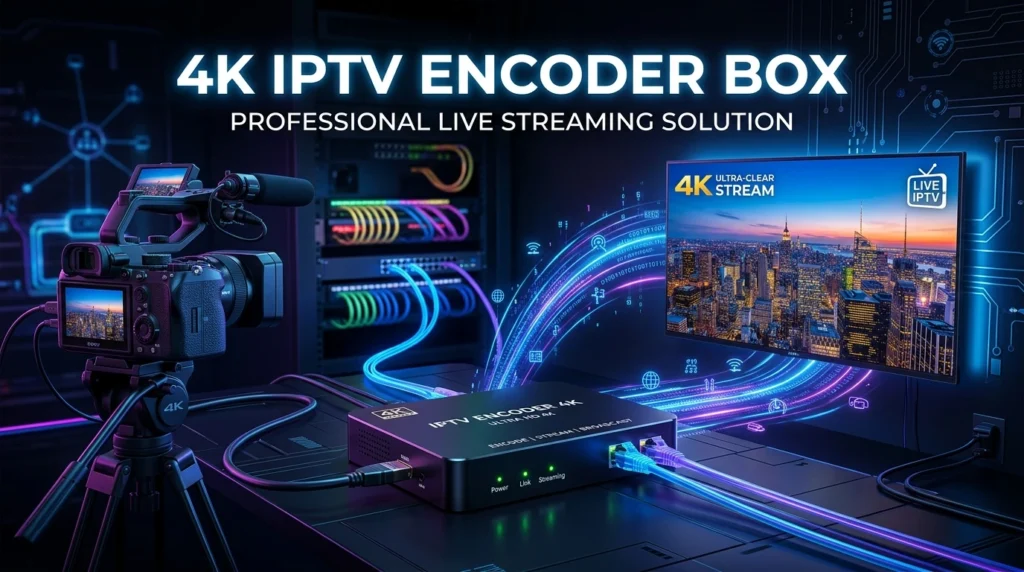
Complete Guide to IPTV Encoder Box: Transform Your Streaming Experience in 2024
Also Read:
Introduction
Are you tired of expensive cable TV bills and limited channel selection? IPTV services have revolutionized how we consume television content, offering an affordable and flexible alternative to traditional broadcasting. With the rise of internet-based streaming, millions of users worldwide are switching to IPTV for its cost savings, extensive channel variety, and superior viewing flexibility.
An IPTV encoder box serves as the bridge between your internet connection and your television, transforming digital signals into watchable content on your screen. These devices enable access to thousands of international channels, HD and 4K streaming quality, and on-demand content libraries. The technology behind IPTV allows users to enjoy premium entertainment across multiple devices while saving up to 70% compared to traditional cable subscriptions.
Modern IPTV solutions offer unprecedented convenience with multi-device compatibility, allowing seamless streaming on Smart TVs, smartphones, tablets, and computers. Whether you’re interested in live sports, international news, or premium movie channels, IPTV provides a comprehensive entertainment solution that adapts to your lifestyle and viewing preferences.
Table of Contents
Equipment and Requirements
Setting up an effective IPTV streaming system requires specific equipment and technical requirements to ensure optimal performance. Understanding these components will help you make informed decisions and avoid common setup issues.
Essential Hardware Components
Your IPTV streaming device setup begins with reliable internet connectivity. A stable broadband connection with minimum speeds of 25 Mbps is recommended for HD content, while 4K IPTV streaming requires at least 50 Mbps. Fiber optic or high-speed cable internet provides the most consistent performance for uninterrupted viewing.
The primary display device options include Smart TVs with built-in IPTV capabilities, Android TV boxes, Apple TV devices, or dedicated streaming sticks. Smart TVs manufactured after 2018 typically support IPTV applications natively. For older televisions, an Android TV box or streaming device serves as an excellent upgrade solution.
Software and Subscription Requirements
Compatible IPTV applications form the foundation of your streaming setup. Popular options include VLC Media Player, Perfect Player, TiviMate, and IPTV Smarters Pro. These applications decode streaming signals and provide user-friendly interfaces for channel navigation and content management.
An active IPTV subscription from a reliable provider is essential for accessing live channels and on-demand content. Premium subscriptions typically include thousands of international channels, sports packages, movie libraries, and 4K streaming options. Research providers carefully to ensure they offer content that matches your viewing preferences and geographic requirements.
Optional Enhancement Tools
A VPN service provides additional security and may help access geo-restricted content depending on your location and local regulations. Quality VPN services encrypt your internet traffic and can improve streaming stability in certain network environments.
External storage devices enable recording functionality on compatible IPTV applications. USB drives or network-attached storage (NAS) systems allow you to record live programs and build personal content libraries for later viewing.
Installation Time
The complete IPTV setup process typically requires 30 to 60 minutes for first-time users, depending on your technical experience and chosen equipment. Breaking down the timeline helps set realistic expectations for your installation project.
Initial application download and installation usually takes 5-10 minutes on most devices. Modern streaming devices and Smart TVs feature app stores that simplify the download process. Ensure your device has sufficient storage space and a stable internet connection before beginning the installation.
Subscription activation and initial configuration require an additional 15-20 minutes. This includes entering your M3U playlist URL or Xtream Codes credentials, configuring basic settings, and downloading channel lists. The initial channel loading process may take several minutes depending on your subscription’s channel count.
Fine-tuning settings, organizing channels, and testing playback typically requires 10-20 minutes of additional setup time. This includes creating favorite channel lists, adjusting video quality settings, and verifying that all content categories function properly. Taking time for proper configuration ensures optimal long-term performance and user experience.
Step-by-Step Guide to Set Up IPTV
Follow this comprehensive guide to configure your IPTV encoder box and establish a reliable streaming system. Each step includes specific instructions and troubleshooting tips for common issues.
1. Install an IPTV Application
Begin by accessing your device’s official app store or application manager. For Android devices, use Google Play Store; for Apple devices, use the App Store. Smart TV users should navigate to their manufacturer’s app marketplace such as Samsung Smart Hub or LG Content Store.
Search for reputable IPTV applications using keywords like “IPTV player” or specific app names. TiviMate, IPTV Smarters Pro, and Perfect Player are highly recommended options with excellent user reviews and regular updates. Download and install your chosen application, ensuring you have adequate storage space available.
Launch the application after installation completes and grant necessary permissions when prompted. Most IPTV apps require network access, storage permissions, and sometimes location services for optimal functionality.
2. Add an M3U Playlist or Xtream Codes
Access your IPTV provider’s customer portal or welcome email to locate your connection credentials. You’ll receive either an M3U playlist URL or Xtream Codes login information including username, password, and server URL.
Navigate to your IPTV application’s settings or playlist management section. Select “Add Playlist” or “External Playlist” depending on your app’s interface. For M3U playlists, simply paste the provided URL into the designated field. For Xtream Codes, enter the server URL, username, and password in their respective fields.
Save your configuration and allow the application to download and process your channel list. This initial sync may take several minutes depending on your subscription’s content volume and internet connection speed.
3. Configure the Application Settings
Access your IPTV application’s main settings menu to optimize performance for your specific setup. Adjust video quality settings based on your internet connection speed and device capabilities. Select “Auto” for adaptive streaming or manually choose HD/4K options if your connection supports higher resolutions.
Configure buffer settings to prevent stuttering and improve playback stability. Increase buffer size for slower internet connections or reduce it for faster networks to minimize startup delay. Most applications offer buffer presets like “Fast,” “Normal,” or “Safe” for simplified configuration.
Set up parental controls if needed and configure your preferred language and time zone settings. These options ensure proper content filtering and accurate program guide information for your geographic location.
4. Organize Channels and Categories
Create custom channel groups to streamline navigation and improve your viewing experience. Most IPTV applications allow sorting channels by country, language, genre, or personal preference. Organize frequently watched channels into a “Favorites” category for quick access.
Utilize category filters to separate live TV, movies, series, and sports content. This organization method simplifies content discovery and reduces time spent searching for specific programs. Create specialized groups for family viewing, international channels, or premium content based on your household’s viewing habits.
Hide or remove unwanted channels to reduce clutter and improve application performance. Many IPTV subscriptions include hundreds or thousands of channels, so removing irrelevant content creates a more personalized experience.
5. Test the Stream Playback
Begin testing with lower resolution channels to verify basic connectivity and functionality. Start with standard definition content before progressing to HD and 4K channels. This systematic approach helps identify potential issues with specific resolution formats.
Test various content types including live TV, video on demand (VOD), and catch-up services if included in your subscription. Verify that audio and video synchronization is correct and that channel switching occurs smoothly without excessive buffering.
Check streaming stability during peak usage hours when internet traffic is highest. Test different channels and content types during evening hours to ensure consistent performance when network congestion typically peaks.
Benefits of IPTV
IPTV technology offers numerous advantages over traditional cable and satellite television services. Understanding these benefits helps explain why millions of users worldwide are making the switch to internet-based television streaming.
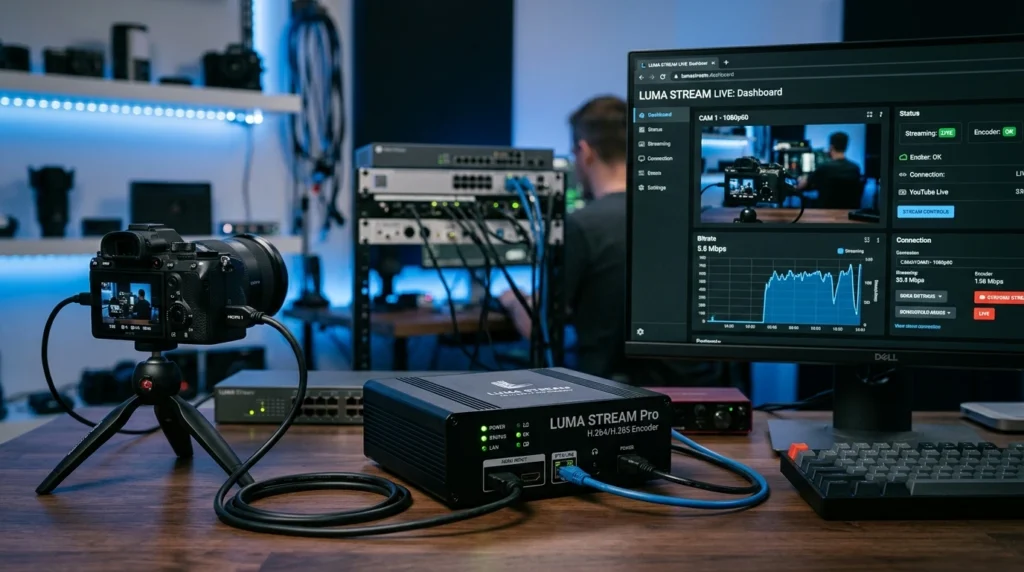
Extensive Channel Selection and International Content
Modern IPTV subscriptions provide access to thousands of international channels from virtually every country and region worldwide. This extensive selection includes specialized content for specific languages, cultures, and interests that traditional cable providers rarely offer. Users can access news, entertainment, and educational programming from their home countries while living abroad.
Premium IPTV services include dedicated sports packages with multiple camera angles, exclusive matches, and comprehensive coverage of international tournaments. Movie and series libraries feature both current releases and classic content spanning multiple decades and genres.
Superior Streaming Quality and Technology
HD IPTV and 4K IPTV streaming deliver exceptional visual quality that often surpasses traditional broadcasting standards. Modern IPTV systems support various resolution formats including 1080p, 4K UHD, and even 8K content on compatible displays. Advanced compression technologies ensure smooth playback while minimizing bandwidth requirements.
Adaptive streaming technology automatically adjusts video quality based on your internet connection speed, preventing buffering interruptions while maintaining the highest possible resolution. This intelligent system ensures consistent viewing experiences across different network conditions.
Multi-Device Compatibility and Flexibility
IPTV streaming devices support simultaneous connections across multiple platforms and devices. Watch live television on your Smart TV while family members stream different content on smartphones or tablets. This flexibility eliminates conflicts over television remote control and allows personalized viewing experiences for each household member.
Cloud-based IPTV services synchronize viewing preferences, favorite channels, and watch history across all connected devices. Start watching a movie on your television and seamlessly continue on your smartphone or tablet when leaving home.
Cost-Effective Entertainment Solution
IPTV subscriptions typically cost 60-80% less than comparable cable or satellite television packages while offering significantly more content variety. Premium IPTV services include features like recording capabilities, catch-up TV, and on-demand libraries that cable providers charge additional fees for accessing.
Eliminate equipment rental fees, installation costs, and long-term contracts that traditional providers require. Most IPTV services offer flexible month-to-month subscriptions with no cancellation penalties or hidden charges.
Tips for a Better IPTV Experience
Optimizing your IPTV setup ensures maximum performance, reliability, and viewing enjoyment. These practical tips address common performance issues and help you get the most value from your streaming TV investment.
Network Optimization Strategies
Upgrade to fiber optic internet or high-speed 5G connectivity for the most reliable IPTV streaming experience. These connections provide consistent upload and download speeds with minimal latency fluctuations that can affect streaming quality. Fiber connections typically offer symmetrical speeds that benefit households with multiple simultaneous streams.
Use Ethernet cable connections whenever possible instead of relying on Wi-Fi for your primary IPTV device. Wired connections eliminate wireless interference, reduce latency, and provide more stable bandwidth allocation. For devices that require wireless connectivity, position them close to your router and use 5GHz Wi-Fi networks instead of congested 2.4GHz bands.
Configure Quality of Service (QoS) settings on your router to prioritize IPTV traffic over other internet activities. Most modern routers include gaming or streaming modes that automatically allocate bandwidth for optimal video streaming performance.
Device and Application Management
Keep your IPTV applications updated to the latest versions to ensure compatibility, security, and performance improvements. Enable automatic updates when available or check for updates weekly to maintain optimal functionality. Updated applications often include bug fixes, new features, and enhanced streaming protocols.
Restart your IPTV device and router weekly to clear temporary files, refresh network connections, and prevent memory-related performance issues. This simple maintenance routine prevents many common streaming problems and maintains consistent performance over time.
Close unnecessary background applications on your streaming device to free up system resources for IPTV processing. Streaming high-definition content requires significant CPU and memory resources, so eliminating competing processes improves overall performance.
Security and Privacy Considerations
Use reputable VPN services to protect your privacy and potentially improve streaming performance depending on your location and internet service provider policies. Choose VPN providers with fast servers, no-logging policies, and optimized streaming performance. Test different server locations to find the best performance for your specific setup.
Regularly update your device’s operating system and security software to protect against malware and security vulnerabilities. Streaming devices connected to the internet require the same security precautions as computers and smartphones.
Common Mistakes to Avoid
Understanding frequent IPTV setup errors helps prevent frustrating technical issues and ensures smooth operation from the beginning. Learn from others’ experiences to avoid these common pitfalls.
Internet Connection Issues
Slow internet connections represent the most common cause of IPTV streaming problems. Users often underestimate bandwidth requirements for HD and 4K content, leading to constant buffering and poor video quality. Verify your actual internet speed using reliable speed testing tools rather than relying on advertised package speeds.
Sharing bandwidth with multiple devices simultaneously can overwhelm even fast internet connections. Gaming consoles, smart home devices, and other streaming services compete for the same bandwidth your IPTV system requires. Monitor your network usage and consider upgrading your internet plan if multiple users regularly stream content simultaneously.
Configuration and Setup Errors
Incorrect M3U playlist configuration causes channel loading failures and application errors. Double-check all URLs, usernames, and passwords for accuracy, paying attention to case sensitivity and special characters. Copy credentials directly from provider emails rather than manually typing to avoid transcription errors.
Using unreliable or outdated IPTV applications leads to compatibility issues and poor streaming performance. Research application reviews and choose well-maintained software with regular updates and active developer support. Avoid applications that haven’t been updated in several months or have numerous negative user reviews.
Content and Playlist Management
Overloaded playlists with thousands of channels can overwhelm older devices and cause slow application response times. Remove unused channels and organize content into smaller, manageable categories to improve navigation speed and reduce memory usage.
Failing to organize channels logically makes content discovery frustrating and time-consuming. Create custom groups for different family members, content types, or viewing preferences to streamline the user experience.
Optimization Tips
Maximize your IPTV system’s performance and reliability through strategic optimization techniques. These advanced tips help achieve professional-grade streaming quality in home environments.
Provider and Service Selection
Choose reliable IPTV providers with proven track records, positive customer reviews, and responsive technical support. Research provider uptime statistics, server locations, and content quality before committing to subscriptions. Test services with short-term trials when available to evaluate performance before long-term commitments.
Select providers that offer multiple server options and automatic failover capabilities. This redundancy ensures continued service if primary servers experience issues and provides better performance during peak usage periods.
Hardware Optimization Strategies
Invest in powerful streaming devices with sufficient processing power and memory for your viewing requirements. Devices with at least 2GB RAM and quad-core processors handle 4K content and complex channel lists more effectively than budget alternatives.
Optimize your home network infrastructure by upgrading to modern routers with Wi-Fi 6 capabilities and sufficient processing power for multiple simultaneous connections. Position routers centrally and minimize physical obstructions between devices and wireless access points.
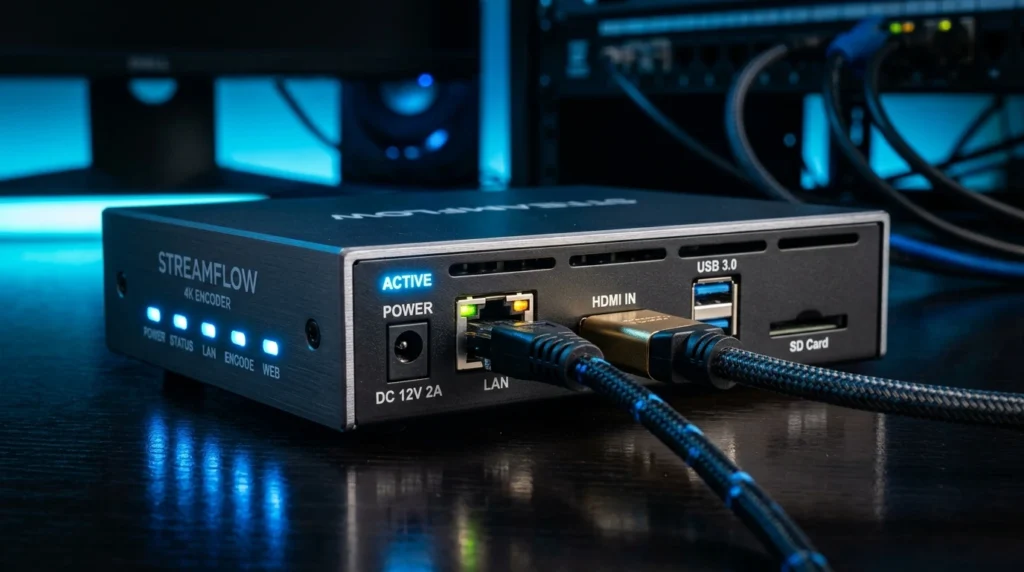
Advanced Configuration Techniques
Organize playlists strategically by creating separate lists for different content types or family members. Smaller, focused playlists load faster and provide better navigation experiences than massive combined lists with thousands of entries.
Configure custom EPG (Electronic Program Guide) sources when available to enhance program information and scheduling features. Accurate program guides improve the overall viewing experience and enable advanced features like recording and catch-up TV functionality.
Conclusion
Setting up an IPTV encoder box transforms your home entertainment experience by providing access to thousands of international channels, premium content libraries, and advanced streaming features at a fraction of traditional cable costs. The comprehensive setup process, while initially requiring some technical attention, rewards users with unprecedented flexibility and content variety.
Modern IPTV streaming devices offer sophisticated features including 4K resolution support, multi-device compatibility, and cloud synchronization that traditional broadcasting cannot match. By following proper installation procedures, optimizing network settings, and choosing reliable service providers, users can achieve professional-grade streaming performance in their homes.
The future of television entertainment clearly lies in internet-based streaming technologies that provide global content access, personalized viewing experiences, and cost-effective solutions for diverse entertainment needs. Whether you’re seeking international programming, premium sports coverage, or extensive movie libraries, IPTV technology delivers comprehensive solutions that adapt to modern viewing habits and preferences.
FAQ
What is an IPTV encoder box and how does it work?
An IPTV encoder box is a device that converts internet-based television signals into formats compatible with your TV or display device. It processes streaming data from IPTV providers and decodes it for real-time viewing, essentially serving as a bridge between your internet connection and television.
Do I need special internet speeds for IPTV streaming?
Yes, IPTV requires stable internet connections with minimum speeds of 25 Mbps for HD content and 50 Mbps for 4K streaming. Fiber optic or high-speed cable internet provides the most reliable performance, while slower connections may experience buffering and reduced video quality.
Can I use IPTV on multiple devices simultaneously?
Most IPTV subscriptions support multiple concurrent connections, typically ranging from 2-5 devices depending on your service plan. This allows different family members to watch separate content on smartphones, tablets, Smart TVs, or streaming devices at the same time.
Is IPTV legal and safe to use?
IPTV technology itself is completely legal and widely used by legitimate streaming services. However, the legality depends on the content provider and licensing agreements. Choose reputable IPTV services that properly license their content and comply with broadcasting regulations in your region.
What should I do if my IPTV streams keep buffering?
Buffering issues typically result from insufficient internet bandwidth, network congestion, or device limitations. Try reducing video quality settings, closing background applications, using wired connections instead of Wi-Fi, or upgrading your internet plan to resolve buffering problems.