The Complete Guide to Finding the Perfect IPTV Service in 2024
Are you tired of expensive cable bills and limited channel selection? Internet Protocol Television (IPTV) has revolutionized how we consume entertainment, offering viewers unprecedented access to thousands of channels worldwide at a fraction of traditional cable costs. Modern IPTV service providers deliver exceptional streaming experiences with HD and 4K quality across multiple devices.
Also Read:
The popularity of streaming TV solutions continues to surge as consumers seek more flexible and affordable entertainment options. With a quality IPTV subscription, users can access international channels, movies on demand, live sports, and premium content without being tied to expensive cable contracts. This comprehensive guide will walk you through everything you need to know about selecting and setting up the perfect IPTV solution for your entertainment needs.
Table of Contents
Equipment and Requirements for IPTV Streaming
Setting up an effective IPTV system requires specific equipment and conditions to ensure optimal performance. The foundation of any successful streaming setup begins with these essential components and requirements.
Internet Connection Requirements
A stable internet connection is the cornerstone of quality IPTV streaming. For HD IPTV content, you’ll need a minimum of 10 Mbps download speed per stream. 4K IPTV channels require at least 25 Mbps for smooth playback without buffering.
Fiber optic or high-speed cable internet provides the most reliable connectivity. Avoid satellite internet connections as they often have data caps and latency issues that can disrupt streaming quality.
Compatible Devices
Smart TVs with built-in internet connectivity offer the most convenient IPTV experience. Most modern Samsung, LG, Sony, and TCL smart TVs support popular IPTV applications directly from their app stores.
Android TV boxes provide excellent alternatives for older televisions or users wanting more customization options. Popular models include NVIDIA Shield TV, Mi Box S, and Chromecast with Google TV. These devices offer powerful processors and extensive app compatibility for various IPTV channels.
Mobile and Tablet Options
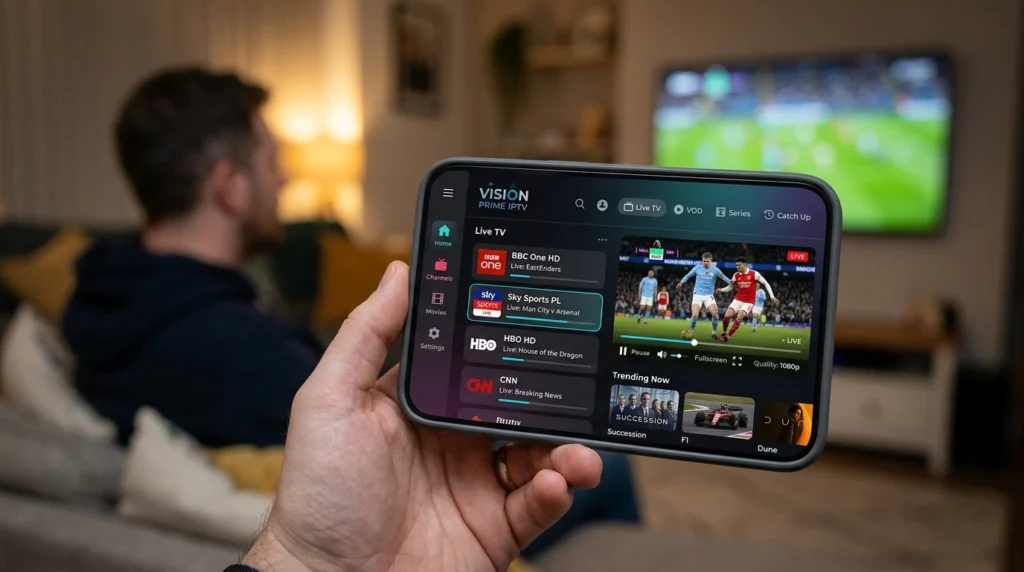
Smartphones and tablets running iOS or Android can serve as portable IPTV viewing devices. This flexibility allows users to watch their favorite content anywhere with a strong internet connection. Popular mobile apps support most IPTV subscription formats and offer user-friendly interfaces.
Additional Equipment
A VPN service provides privacy protection and can help bypass geographical restrictions on certain content. Choose VPN providers with fast servers and no-logging policies for optimal performance.
High-quality HDMI cables ensure crisp video transmission from streaming devices to your television. Ethernet cables provide more stable connections than Wi-Fi for stationary devices like Android TV boxes.
Installation Time and Setup Duration
Understanding the time investment required for IPTV setup helps users plan their installation process effectively. Most installations can be completed within 30 minutes to an hour, depending on technical experience and equipment.
Application Download and Installation
Downloading and installing an IPTV application typically takes 5-10 minutes on modern devices. Popular apps like IPTV Smarters Pro, TiviMate, and Perfect Player are lightweight and install quickly. Smart TV app installations may take slightly longer due to slower processors in some television models.
Account Activation Process
Activating your IPTV subscription usually requires 10-15 minutes once you receive your login credentials. This process involves entering your username, password, and server information into your chosen application. Some providers offer QR codes or automated setup links to streamline this process.
Channel Configuration
Organizing and configuring your IPTV channels can take 15-30 minutes depending on playlist size and desired customization level. This includes creating favorite lists, organizing channels by category, and adjusting video quality settings for optimal performance.
Step-by-Step Guide to Set Up Your IPTV Service
Follow this comprehensive guide to configure your IPTV service from start to finish. This process works with most popular applications and service providers.
Step 1: Install an IPTV Application
Choose a reputable IPTV application compatible with your device. For Android devices, download apps like IPTV Smarters Pro or TiviMate from the Google Play Store. iOS users can find compatible apps in the Apple App Store.
Smart TV users should search their device’s app store for IPTV applications. Samsung TV users can install Smart IPTV or SS IPTV, while LG TV owners can use Smart IPTV or similar applications.
Step 2: Add M3U Playlist or Xtream Codes
Configure your IPTV subscription credentials within the application. Most providers offer either M3U playlist URLs or Xtream Codes API connections. M3U playlists require entering a direct URL link, while Xtream Codes require server address, username, and password information.
Enter the provided information carefully, ensuring no extra spaces or incorrect characters. Save the configuration and allow the application to load your channel list.
Step 3: Configure Application Settings
Optimize your application settings for the best streaming experience. Adjust video player settings to match your internet connection speed and device capabilities. Enable hardware acceleration if available to improve performance on older devices.
Configure EPG (Electronic Program Guide) sources if provided by your IPTV provider. This feature displays program schedules and descriptions for enhanced viewing experiences.

Step 4: Organize Channels and Categories
Create custom favorite lists for easy access to preferred IPTV channels. Most applications allow users to sort channels alphabetically, by category, or by personal preference. Group similar content together, such as sports channels, news networks, or international programming.
Hide unwanted channels to declutter your interface. This feature helps focus on relevant content and improves navigation speed through large channel lists.
Step 5: Test Stream Playback
Verify that HD IPTV and 4K IPTV channels play correctly across different categories. Test various channel types including live TV, movies on demand, and sports content. Check audio and video synchronization to ensure proper streaming quality.
Monitor your internet connection during testing to identify any buffering issues or quality problems. Document any problematic channels to report to your service provider if necessary.
Benefits of Choosing IPTV Over Traditional TV
IPTV technology offers numerous advantages over traditional cable and satellite television services. These benefits explain why millions of users worldwide are making the switch to streaming TV solutions.
Extensive Channel Selection
Modern IPTV providers offer thousands of international channels covering every genre imaginable. Access content from the United States, Europe, Asia, and other regions without geographical limitations. This diversity far exceeds what traditional cable providers typically offer in standard packages.
Premium sports packages include multiple ESPN channels, Fox Sports networks, and international sports coverage. Movie enthusiasts enjoy access to HBO, Showtime, Cinemax, and numerous international cinema channels.
Cost-Effective Entertainment Solution
IPTV subscriptions typically cost 60-80% less than comparable cable TV packages. Most services offer comprehensive channel packages for $15-30 monthly, while traditional cable bills often exceed $100-150 per month. This significant cost savings appeals to budget-conscious consumers seeking quality entertainment.
Annual subscription discounts provide even greater value, with many providers offering 20-40% savings for yearly commitments. Family plans accommodate multiple simultaneous streams at reduced per-user costs.
Superior Streaming Quality
HD IPTV and 4K IPTV content delivery surpasses traditional broadcast quality in many cases. Advanced compression technologies ensure crisp video with minimal bandwidth usage. Adaptive streaming automatically adjusts quality based on internet connection strength.
No signal degradation occurs due to weather conditions, unlike satellite TV services. Consistent quality remains stable regardless of external factors affecting traditional broadcasting methods.
Multi-Device Compatibility
Watch your favorite content on smartphones, tablets, smart TVs, computers, and streaming devices simultaneously. Most IPTV subscriptions support 2-5 concurrent streams, allowing family members to enjoy different content on separate devices.
Seamless synchronization across devices enables users to start watching on one device and continue on another without losing their place. This flexibility accommodates modern viewing habits and busy lifestyles.
Tips for Optimizing Your IPTV Experience
Maximizing your IPTV performance requires attention to several technical factors and best practices. Implementing these optimization strategies ensures smooth, high-quality streaming across all your devices.
Network Optimization Strategies
Fiber optic internet connections provide the most reliable foundation for 4K IPTV streaming. These connections offer symmetrical upload and download speeds with minimal latency. If fiber isn’t available, choose the highest speed cable internet package your budget allows.
5G home internet services offer excellent alternatives in areas with strong cellular coverage. These connections often provide speeds comparable to cable internet with lower latency than satellite options.
Wired vs. Wireless Connections
Ethernet cable connections deliver more stable streaming than Wi-Fi networks, especially for stationary devices like Android TV boxes. Wired connections eliminate interference from other wireless devices and provide consistent bandwidth allocation.
Position your Wi-Fi router centrally and use 5GHz bands for IPTV devices when possible. The 5GHz frequency offers higher speeds and less congestion than traditional 2.4GHz networks.
Application and Device Maintenance
Regularly update your IPTV application to access new features and performance improvements. Enable automatic updates when possible to ensure you’re always running the latest version with security patches and bug fixes.
Clear application cache periodically to free up storage space and improve performance. Restart your streaming devices weekly to refresh system resources and clear temporary files.
VPN Considerations
Choose VPN services with dedicated streaming servers optimized for video content. Avoid free VPN providers as they often have bandwidth limitations and unreliable connections that can disrupt IPTV streaming.
Connect to VPN servers geographically close to your location to minimize latency. Some IPTV channels may require specific server locations for optimal access and performance.
Common IPTV Mistakes to Avoid
Understanding frequent pitfalls helps new users avoid frustrating setup issues and performance problems. These common mistakes can significantly impact your streaming TV experience if not addressed properly.
Internet Connection Issues
Insufficient bandwidth represents the most common cause of poor IPTV performance. Many users underestimate the internet speed required for multiple simultaneous streams, especially when combining HD IPTV and 4K IPTV content.
Shared internet connections in apartments or densely populated areas may experience congestion during peak hours. Consider upgrading to higher speed plans or scheduling heavy streaming during off-peak times.
Configuration Errors
Incorrect M3U playlist entry causes applications to fail loading channel lists entirely. Double-check all URLs, usernames, and passwords for accuracy before troubleshooting other potential issues. Copy and paste credentials when possible to avoid typing errors.
Wrong EPG (Electronic Program Guide) configurations result in missing or incorrect program information. Verify EPG URLs with your service provider and ensure your application supports the provided format.
Application Selection Problems
Using unreliable IPTV applications leads to frequent crashes, poor performance, and limited feature sets. Research application reviews and choose well-established options with regular updates and strong user communities.
Avoid applications with excessive advertising or suspicious permission requests. Legitimate IPTV applications focus on streaming functionality rather than data collection or advertising revenue.
Playlist Management Issues
Overloaded playlists with thousands of channels can overwhelm device memory and slow application performance. Remove unused channels and organize content into manageable categories for improved navigation and system stability.
Failure to backup playlist configurations results in lost customizations when applications update or devices require reset. Export your settings regularly to simplify restoration processes.
Advanced IPTV Optimization Techniques
Implementing advanced optimization strategies elevates your IPTV experience beyond basic functionality. These techniques require more technical knowledge but provide significant performance improvements for dedicated users.
Service Provider Selection
Research IPTV providers thoroughly before committing to long-term subscriptions. Evaluate server uptime statistics, customer service responsiveness, and channel lineup stability. Reliable providers maintain 99%+ uptime and offer responsive technical support.
Test services with trial periods when available to assess stream quality and reliability during your typical viewing hours. Peak time performance often differs significantly from off-peak testing periods.
Hardware Optimization
Invest in powerful streaming devices with sufficient processing power for your intended usage. Devices with 2GB+ RAM handle 4K IPTV content more effectively than budget alternatives with limited memory.
Consider dedicated IPTV boxes designed specifically for streaming applications. These devices often include optimized firmware and hardware configurations that outperform general-purpose Android TV boxes.
Network Infrastructure
Implement Quality of Service (QoS) settings on your router to prioritize IPTV traffic over other internet activities. This configuration ensures consistent bandwidth allocation for streaming during periods of heavy network usage.
Use mesh Wi-Fi systems in larger homes to eliminate dead zones and provide consistent coverage throughout your viewing areas. Proper network coverage prevents connection drops during device movement.
Content Organization
Create intelligent playlist structures that group related content logically. Organize channels by language, region, genre, and quality level for improved navigation efficiency. Custom categories reduce time spent searching for specific content.
Utilize EPG data effectively to plan viewing schedules and discover new content. Many applications offer advanced EPG features including program reminders and recording capabilities where supported.
Conclusion
IPTV service technology represents the future of entertainment delivery, offering unprecedented flexibility, quality, and value compared to traditional television options. This comprehensive guide has covered everything from basic equipment requirements to advanced optimization techniques that ensure optimal streaming performance.
The benefits of switching to a quality IPTV subscription extend far beyond cost savings, encompassing access to thousands of international channels, superior video quality, and multi-device compatibility that fits modern lifestyles. By following the setup procedures, optimization tips, and best practices outlined in this guide, users can create professional-quality streaming experiences in their homes.
Whether you’re new to streaming TV or looking to improve your current setup, implementing these strategies will enhance your viewing experience significantly. The IPTV service landscape continues evolving with new technologies and improved content delivery methods, making now an excellent time to explore these innovative entertainment solutions.
Frequently Asked Questions
What internet speed do I need for IPTV streaming?
For HD content, you need at least 10 Mbps per stream, while 4K content requires 25 Mbps minimum. Consider higher speeds if multiple devices will stream simultaneously or if you have other internet-heavy activities.
Can I use IPTV on multiple devices simultaneously?
Most IPTV subscriptions allow 2-5 concurrent streams depending on your service plan. Check with your provider for specific limitations and consider family plans if you need additional simultaneous connections.
Is a VPN necessary for IPTV usage?
While not always required, a VPN provides privacy protection and can help access geo-restricted content. Choose VPN services with fast streaming servers and no-logging policies for optimal performance.
How do I troubleshoot buffering issues with IPTV?
Check your internet connection speed first, then verify your device has sufficient processing power. Try connecting via ethernet cable instead of Wi-Fi, and consider upgrading your internet plan if problems persist.
What’s the difference between M3U playlists and Xtream Codes?
M3U playlists are direct URL links to channel lists, while Xtream Codes use API connections with username/password authentication. Xtream Codes typically offer better EPG integration and advanced features compared to basic M3U playlists.