How to Choose the Best IPTV Providers for Your Streaming Needs in 2024
Are you tired of paying high monthly bills for traditional cable TV while getting limited channel options? IPTV providers are revolutionizing the way we consume entertainment by delivering television content through internet protocols instead of traditional satellite or cable connections. This modern approach to television streaming offers incredible cost savings, unmatched flexibility, and access to thousands of international channels with crystal-clear HD and 4K quality.
Also Read:
The popularity of IPTV services has skyrocketed because they provide multi-device compatibility, allowing you to watch your favorite content on smartphones, tablets, Smart TVs, and streaming devices. Unlike traditional cable subscriptions that lock you into expensive long-term contracts, IPTV providers offer affordable monthly plans with the freedom to cancel anytime. With proper setup and a reliable iptv subscription, you can access premium content from around the world at a fraction of traditional cable costs.
Table of Contents
Equipment and Requirements
Setting up IPTV requires minimal equipment, making it accessible to most users. The basic requirements ensure smooth streaming and optimal viewing experience across different devices.
Internet Connection Requirements:
– Minimum 10 Mbps for HD streaming
– 25 Mbps or higher for 4K content
– Stable and consistent bandwidth
– Low latency for buffer-free viewing
Compatible Devices:
– Smart TV with built-in internet connectivity
– Android TV Box or streaming stick
– Smartphone or tablet (iOS/Android)
– Computer or laptop with media player software
– Streaming devices like Firestick or Roku
Essential Software:
– IPTV application (VLC, Perfect Player, IPTV Smarters)
– Active IPTV subscription with valid credentials
– Optional VPN service for enhanced privacy and access
The beauty of IPTV lies in its versatility – you can use existing devices without purchasing expensive equipment. Most modern Smart TVs come with pre-installed apps that support IPTV streaming, while older devices can be upgraded with affordable streaming sticks.
Installation Time
The IPTV setup process is remarkably quick and straightforward, typically taking between 15 to 30 minutes for complete installation and configuration. Installation time breakdown:
– App Download: 2-5 minutes depending on internet speed
– Subscription Activation: 1-2 minutes with valid credentials
– Channel Configuration: 10-15 minutes for playlist setup
– Testing and Optimization: 5-10 minutes for stream verification
Most users can complete the entire setup process in under half an hour, even without technical expertise. The installation time may vary slightly depending on the chosen IPTV application and device performance, but the process remains consistently simple across different platforms.
Advanced users who want to customize channel lists, create favorites, and configure multiple playlists might spend additional time personalizing their setup. However, basic functionality is available immediately after completing the initial configuration steps.
Step-by-Step Guide to Set Up IPTV
Follow this comprehensive guide to set up your IPTV service quickly and efficiently. This process works across most devices and IPTV providers, ensuring a smooth streaming experience.
1. Install an IPTV Application
Choose a reliable IPTV player based on your device:
– For Android: IPTV Smarters Pro, Perfect Player, TiviMate
– For iOS: GSE Smart IPTV, IPTV Player, iPlayTV
– For Smart TV: Smart IPTV, SS IPTV, IPTV Smarters
Download the application from the official app store or trusted source. Avoid unofficial versions that may contain malware or lack essential features. Most applications are free to download, with premium versions offering additional functionality.
2. Add M3U Playlist or Xtream Codes
Configure your iptv subscription using one of these methods:
– M3U URL: Enter the playlist link provided by your service
– Xtream Codes: Input server URL, username, and password
– Local File: Upload downloaded M3U file to your device
Choose the method recommended by your IPTV provider for optimal compatibility. Xtream Codes typically offer better organization and EPG (Electronic Program Guide) support, while M3U playlists provide broader application compatibility.
3. Configure Application Settings
Optimize your IPTV application settings:
– Buffer Size: Set to 20-30 seconds for stable streaming
– User Agent: Configure if required by your provider
– EPG Source: Add Electronic Program Guide URL
– Streaming Protocol: Select HLS or MPEG-TS based on compatibility
Proper configuration prevents common streaming issues and ensures optimal performance across different network conditions.
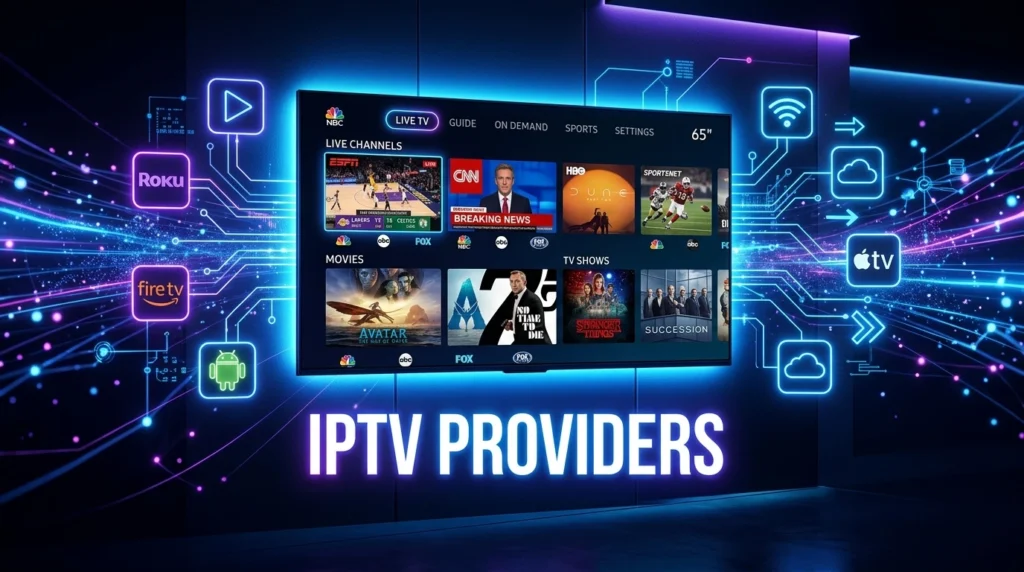
4. Organize Channels and Categories
Create a personalized viewing experience:
– Sort channels by country, language, or genre
– Create favorite lists for quick access
– Hide unwanted categories to reduce clutter
– Rename channels for better identification
Good organization saves time and improves the overall user experience, especially when dealing with extensive channel lists from comprehensive IPTV services.
5. Test Stream Playback
Verify your setup by testing different content types:
– Live TV channels from various categories
– VOD movies and series
– 4K content if your device supports it
– Different time zones to check global accessibility
Successful testing confirms that your IPTV setup is working correctly and ready for regular use.
Benefits of IPTV
IPTV technology offers numerous advantages over traditional cable and satellite television, making it an attractive option for modern viewers seeking flexibility and value.
Extensive Channel Selection
Thousands of international channels provide unprecedented variety:
– Live TV from over 100 countries
– Sports channels with multiple language commentary
– News networks with global perspectives
– Entertainment channels for all age groups
– Specialized content for niche interests
On-Demand Content Library
Movies and series on demand offer convenient viewing:
– Latest blockbuster movies
– Complete TV series collections
– Documentary and educational content
– Kids’ programming with parental controls
– Multi-language audio and subtitle options
Superior Streaming Quality
HD and 4K streaming quality delivers exceptional viewing experience:
– Crystal-clear 1080p HD resolution
– Ultra-high definition 4K content
– Adaptive bitrate streaming
– Minimal compression artifacts
– Consistent quality across devices
Device Flexibility
Multi-device compatibility ensures viewing freedom:
– Watch on TV, phone, tablet, or computer
– Simultaneous streaming on multiple devices
– Cloud-based favorites and settings sync
– Cross-platform application support
– Remote viewing from any location
Cost Effectiveness
Lower cost compared to traditional cable TV provides significant savings:
– Monthly subscriptions starting from $10-30
– No installation or equipment rental fees
– Flexible cancellation policies
– Multiple subscription tiers available
– Family plans with multiple connections
Tips for a Better IPTV Experience
Implementing these practical tips will significantly improve your IPTV streaming quality and overall viewing satisfaction.
Internet Connection Optimization
Use fiber or 5G internet for the best performance:
– Fiber connections provide consistent low latency
– 5G networks offer high-speed mobile streaming
– Avoid shared bandwidth during peak hours
– Consider upgrading your internet plan for 4K streaming
Wired vs. Wireless Connections
Connect devices with Ethernet cable when possible:
– Wired connections offer more stable streaming
– Reduced interference from other wireless devices
– Lower latency for sports and live events
– Better performance for 4K content
Software Maintenance
Update IPTV applications regularly to ensure optimal performance:
– Bug fixes improve stability and compatibility
– New features enhance user experience
– Security updates protect against vulnerabilities
– Performance optimizations reduce buffering
Privacy and Access
Use a VPN for enhanced privacy and unrestricted access:
– Bypass geographic restrictions
– Protect your streaming activity
– Access content from different regions
– Maintain privacy on public networks
Common Mistakes to Avoid
Avoiding these frequent errors will save you time and frustration while ensuring a smooth IPTV experience.
Internet Speed Issues
Slow internet connection is the most common problem:
– Test your actual internet speed vs. advertised speed
– Ensure consistent bandwidth throughout the day
– Consider network congestion during peak hours
– Upgrade your plan if consistently below requirements
Configuration Errors
Incorrect M3U configuration leads to streaming failures:
– Double-check playlist URLs for accuracy
– Verify username and password credentials
– Ensure proper formatting of M3U files
– Contact provider support for configuration assistance
Application Problems
Unreliable IPTV applications cause unnecessary frustration:
– Research application reviews and ratings
– Choose apps with regular updates and support
– Avoid unknown or suspicious applications
– Test multiple applications to find the best fit
Playlist Management
Overloaded playlists can slow down performance:
– Remove unused or duplicate channels
– Organize content into logical categories
– Update playlists regularly to remove dead links
– Use providers that maintain clean, updated lists
Optimization Tips
These advanced optimization techniques will help you maximize your IPTV performance and enjoy the best possible streaming experience.
Provider Selection
Choose a reliable IPTV provider based on these criteria:
– Server uptime and stability track record
– Customer support responsiveness and quality
– Channel variety and content freshness
– User reviews and community feedback
– Trial periods and money-back guarantees
Hardware Considerations
Use powerful devices for smooth operation:
– Sufficient RAM for buffer management
– Fast processor for 4K content decoding
– Adequate storage for app data and cache
– Modern operating system support
– Hardware acceleration capabilities
Network Optimization
Optimize your home network for IPTV streaming:
– Position router centrally for better coverage
– Use 5GHz WiFi band for reduced interference
– Configure Quality of Service (QoS) priorities
– Reduce network traffic during streaming
– Consider mesh networks for large homes
Playlist Organization
Organize playlists efficiently for better performance:
– Group channels by genre or preference
– Create multiple smaller playlists instead of one large list
– Remove inactive or low-quality channels
– Use EPG data for better channel information
– Implement favorites for quick access
Conclusion
IPTV providers have transformed the entertainment landscape by offering affordable, flexible, and feature-rich alternatives to traditional television services. With the right equipment, proper setup, and a quality iptv subscription, you can access thousands of international channels, on-demand content, and premium features at a fraction of traditional cable costs.
The key to success lies in choosing reputable IPTV providers, maintaining a stable internet connection, and following best practices for setup and optimization. By avoiding common mistakes and implementing the tips outlined in this guide, you can enjoy a superior streaming experience that rivals or exceeds traditional television services.
Whether you’re looking to cut cable costs, access international content, or simply want more flexibility in your viewing habits, IPTV technology provides the tools and capabilities to meet your entertainment needs. Take time to research providers, test different applications, and optimize your setup for the best possible experience with your chosen iptv subscription.
FAQ
Q: What internet speed do I need for IPTV streaming?
A: For HD streaming, you need a minimum of 10 Mbps, while 4K content requires at least 25 Mbps. A stable connection is more important than peak speed, so ensure consistent bandwidth throughout your viewing time.
Q: Can I watch IPTV on multiple devices simultaneously?
A: Most IPTV subscriptions allow multiple concurrent connections, typically ranging from 1-5 devices depending on your plan. Check with your provider for specific limitations and consider family plans for household use.
Q: Is IPTV legal to use?
A: IPTV technology itself is completely legal. However, the legality depends on the content provider and licensing. Choose legitimate IPTV services that have proper broadcasting rights for their content.
Q: Why does my IPTV stream keep buffering?
A: Buffering is usually caused by insufficient internet speed, network congestion, server overload, or device limitations. Check your internet connection, try different servers, and ensure your device meets minimum requirements.
Q: Do I need a VPN for IPTV streaming?
A: While not always necessary, a VPN can provide additional privacy, bypass geographic restrictions, and potentially improve streaming performance by avoiding ISP throttling. Choose a VPN optimized for streaming if you decide to use one.