PVI IPTV Encoder Box: Complete Setup Guide for Professional Streaming in 2024
Also Read:
Introduction
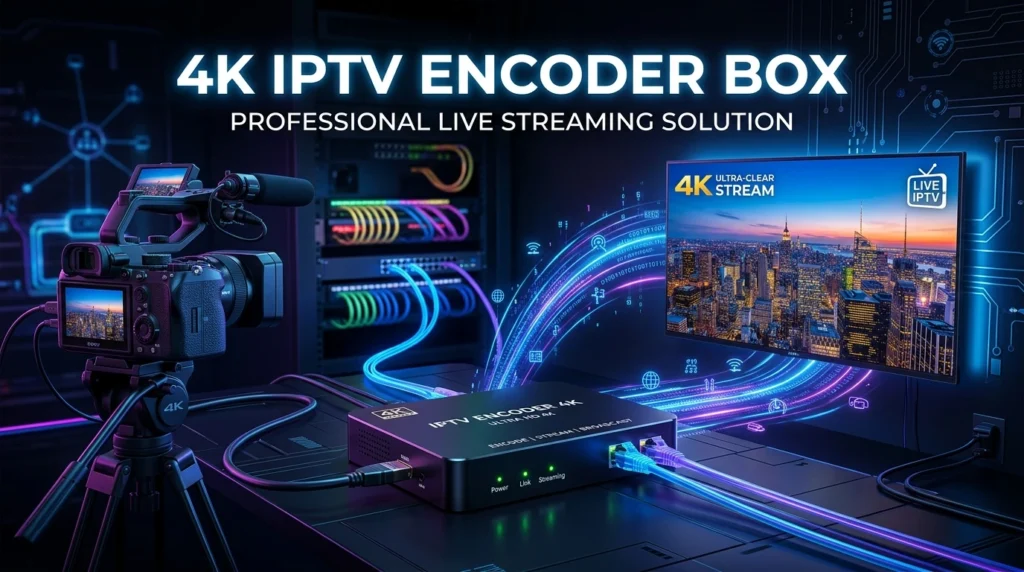
Are you looking to transform your traditional broadcasting setup into a modern streaming TV solution? The pvi iptv encoder box has emerged as one of the most reliable devices for converting analog and digital signals into IP-based streams, making it perfect for businesses, hotels, and content providers who want to deliver high-quality IPTV services. This powerful encoding solution enables seamless distribution of television content over internet networks, offering unprecedented flexibility and cost-effectiveness.
IPTV services are revolutionizing how we consume entertainment content, providing significant cost savings compared to traditional cable subscriptions. Modern viewers enjoy access to thousands of channels from around the world, crystal-clear HD and 4K quality, and the flexibility to watch content on multiple devices simultaneously. The multi-device compatibility ensures you can enjoy your favorite shows on smartphones, tablets, smart TVs, and computers without any restrictions.
Table of Contents
Equipment and Requirements
Setting up a professional IPTV streaming environment requires specific equipment and infrastructure to ensure optimal performance. Understanding these requirements will help you create a reliable streaming setup that delivers consistent quality to your viewers.
Essential Hardware Components:
• Stable internet connection with minimum 25 Mbps upload speed for HD streaming
• Smart TV or Android TV box with IPTV app support
• IPTV encoder box for signal conversion and streaming
• Smartphone or tablet for remote management and monitoring
• Ethernet cables for stable wired connections
• Router with QoS capabilities for bandwidth management
Software Requirements:
• IPTV application compatible with your streaming devices
• Active IPTV subscription from a reliable service provider
• Media server software for content management
• Optional VPN service for enhanced security and geo-restriction bypass
The pvi iptv encoder box stands out among encoding solutions due to its robust build quality, comprehensive format support, and user-friendly configuration interface. This device can handle multiple input sources simultaneously while maintaining excellent video quality and low latency.
Installation Time
The installation process for a complete IPTV setup varies depending on your specific requirements and technical expertise. Most users can expect to complete the basic configuration within a reasonable timeframe with proper preparation.
Typical Installation Timeline:
• IPTV app installation: 5-10 minutes per device
• Encoder box configuration: 15-30 minutes for basic setup
• Subscription activation: 2-5 minutes with valid credentials
• Channel configuration: 10-20 minutes depending on playlist size
• Network optimization: 15-30 minutes for advanced settings
Professional installations may require additional time for custom configurations, multiple device setups, and network infrastructure optimization. Planning ahead and having all necessary information ready can significantly reduce installation time and minimize potential issues.
Step-by-Step Guide to Set Up IPTV
Follow this comprehensive guide to configure your IPTV encoder box and establish a professional streaming environment. Each step includes detailed instructions to ensure successful implementation.
1. Install an IPTV Application
Begin by downloading and installing a compatible IPTV application on your target devices. Popular options include VLC Media Player, IPTV Smarters Pro, and TiviMate for Android devices.
Access your device’s app store and search for your preferred IPTV application. Download and install the app, then launch it to begin the initial configuration process. Ensure your device has sufficient storage space and meets the minimum system requirements.
2. Add an M3U Playlist or Xtream Codes
Configure your streaming source by adding either an M3U playlist URL or Xtream Codes API credentials provided by your IPTV service. Navigate to the app’s settings menu and locate the playlist or server configuration section.
Enter your IPTV subscription details carefully, including the server URL, username, and password. Save the configuration and wait for the app to load and verify your credentials with the streaming server.
3. Configure the Application Settings
Optimize your IPTV app settings for the best viewing experience. Adjust video quality settings based on your internet connection speed and device capabilities.
Enable hardware acceleration if available, configure audio output preferences, and set up parental controls if needed. These settings ensure smooth playback and protect younger viewers from inappropriate content.
4. Organize Channels and Categories
Create a personalized channel lineup by organizing your IPTV channels into logical categories. Most applications allow you to create custom groups for sports, news, entertainment, and international content.
Use the favorite function to quickly access your most-watched channels. This organization improves navigation and enhances the overall viewing experience for all users.
5. Test the Stream Playbook
Verify your configuration by testing multiple channels across different categories. Check both HD IPTV and 4K IPTV streams to ensure your setup can handle various quality levels.
Monitor the stream stability, audio synchronization, and channel switching speed. Address any issues immediately to prevent problems during regular use.
Benefits of IPTV
IPTV technology offers numerous advantages over traditional broadcasting methods, making it an attractive choice for both personal and commercial applications. Understanding these benefits helps justify the investment in quality encoding equipment.
Content Variety and Accessibility:
• Thousands of international channels from every continent
• Movies and series on demand with extensive libraries
• Live sports events from around the world
• News channels in multiple languages
• Educational content for all age groups
Technical Advantages:
• HD and 4K streaming quality with minimal compression artifacts
• Multi-device compatibility across all modern platforms
• Interactive features like pause, rewind, and catch-up TV
• Electronic Program Guide (EPG) for easy content discovery
• Cloud DVR functionality for recording favorite shows
Economic Benefits:
• Lower cost compared to traditional cable TV subscriptions
• No long-term contracts with flexible payment options
• Reduced infrastructure costs for commercial installations
• Scalable pricing based on channel packages and features
• Global content access without additional fees
Tips for a Better IPTV Experience
Optimizing your IPTV setup ensures consistent performance and maximum enjoyment. These practical tips address common issues and enhance overall system reliability.
Network Optimization:
• Use fiber optic or 5G internet connections for best performance
• Connect devices with Ethernet cables when possible to avoid WiFi interference
• Configure Quality of Service (QoS) settings on your router to prioritize IPTV traffic
• Maintain minimum 25 Mbps download speed per HD stream
• Update firmware regularly on all network equipment
Device Management:
• Update IPTV applications regularly for bug fixes and new features
• Clear app cache and data periodically to maintain optimal performance
• Use dedicated streaming devices rather than overloading smart TVs with multiple apps
• Monitor device temperature and ensure adequate ventilation
• Restart devices weekly to clear memory and refresh connections
Security Considerations:
• Use a VPN service to protect privacy and bypass geo-restrictions
• Choose VPN servers in countries with content you want to access
• Avoid free VPN services that may compromise security
• Keep all software and firmware updated with latest security patches
• Use strong passwords for all accounts and services
Common Mistakes to Avoid
Understanding common pitfalls helps prevent frustrating issues and ensures a smooth IPTV experience. Learn from others’ mistakes to save time and avoid technical problems.
Network-Related Mistakes:
• Insufficient internet speed for the number of concurrent streams
• Using unreliable WiFi connections for high-bandwidth streaming
• Incorrect M3U configuration with wrong URLs or credentials
• Overloading home networks with too many connected devices
• Ignoring network security and leaving systems vulnerable
Application and Device Issues:
• Using unreliable IPTV apps that frequently crash or buffer
• Installing apps from unknown sources without proper verification
• Overloaded playlists with thousands of channels causing slow loading
• Running multiple streaming apps simultaneously on underpowered devices
• Failing to clear cache and data when performance issues arise
Service Provider Problems:
• Choosing unreliable providers based solely on price
• Not verifying customer support availability and responsiveness
• Ignoring user reviews and recommendations
• Selecting services without trial periods or money-back guarantees
• Failing to understand terms of service and usage policies
Optimization Tips
Maximize your IPTV performance with these advanced optimization techniques. Professional-level configurations ensure consistent streaming quality and minimal interruptions.
Provider Selection:
• Choose reliable IPTV providers with proven track records and positive reviews
• Verify server uptime statistics and geographic distribution
• Test customer support responsiveness before committing to long-term subscriptions
• Compare channel lineups and ensure they meet your viewing preferences
• Verify compatibility with your preferred applications and devices
Hardware Optimization:
• Use powerful devices with sufficient RAM and processing power for smooth playback
• Invest in quality networking equipment with advanced QoS capabilities
• Consider dedicated streaming devices rather than multipurpose computers
• Ensure adequate cooling and ventilation for all equipment
• Regularly clean and maintain hardware to prevent overheating
Network Configuration:
• Optimize home network settings for streaming traffic prioritization
• Configure port forwarding if required by specific applications
• Use wired connections whenever possible to minimize latency
• Monitor bandwidth usage and adjust quality settings accordingly
• Organize playlists efficiently to reduce loading times and improve navigation
Content Management:
• Remove unused channels and categories to streamline playlists
• Create custom channel groups for different family members
• Use EPG data to enhance the viewing experience
• Set up recording schedules for time-shifted viewing
• Regularly update and maintain channel lists
Conclusion
The pvi iptv encoder box represents a professional solution for businesses and enthusiasts who demand high-quality streaming performance and reliability. This comprehensive guide has covered everything from basic setup requirements to advanced optimization techniques, ensuring you have the knowledge needed to implement a successful IPTV streaming solution.
Modern IPTV encoder boxes have revolutionized content distribution by providing flexible, cost-effective alternatives to traditional broadcasting methods. The combination of robust hardware, intuitive software, and comprehensive support makes these devices ideal for various applications, from small business installations to large-scale commercial deployments.
By following the step-by-step instructions, avoiding common mistakes, and implementing optimization tips, you can create a streaming environment that delivers exceptional performance and user satisfaction. Whether you’re setting up a single-device installation or managing multiple locations, the principles outlined in this guide will help you achieve professional results and maximize your investment in IPTV technology.
FAQ
Q: How much bandwidth do I need for 4K IPTV streaming?
A: For optimal 4K IPTV streaming, you need a minimum of 25 Mbps download speed per stream. However, 35-50 Mbps is recommended to account for network fluctuations and ensure consistent quality without buffering.
Q: Can I use multiple IPTV encoder boxes on the same network?
A: Yes, you can use multiple encoder boxes on the same network. Ensure your internet connection has sufficient bandwidth to handle all streams simultaneously, and configure each device with unique IP addresses to avoid conflicts.
Q: What’s the difference between M3U playlists and Xtream Codes?
A: M3U playlists are simple text files containing channel URLs, while Xtream Codes is an API-based system that provides additional features like EPG data, catch-up TV, and video-on-demand content. Xtream Codes offers better organization and functionality.
Q: How do I troubleshoot buffering issues with my IPTV setup?
A: Common solutions include checking internet speed, switching to wired connections, clearing app cache, updating software, reducing video quality settings, and contacting your IPTV provider to verify server status and performance.
Q: Is it legal to use IPTV services?
A: IPTV technology itself is completely legal. However, the legality depends on the content source and licensing. Always choose legitimate IPTV providers that have proper broadcasting rights and licenses for the content they distribute.